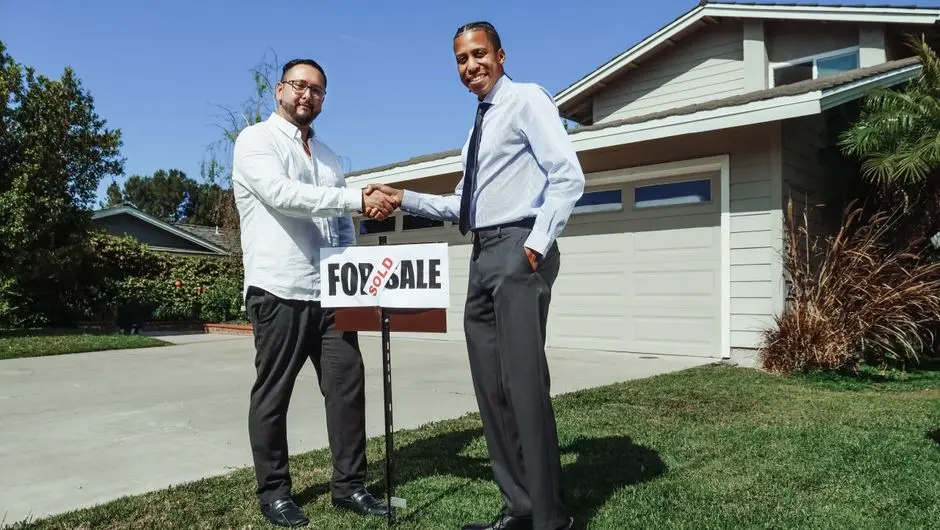

Photo by EVG Kowalievska on Pexels
Why Generic Blasts Are Killing Your Engagement
If your open rates are low and your unsubscribes are climbing, your database probably isn't the problem. Your segmentation is. Sending the same market update to a first-time buyer who just started browsing and a past client who closed two years ago and is thinking about upsizing produces noise for both of them. Neither feels seen, and neither takes action.
Real estate is a relationship business, and relationships require relevance. Database segmentation is the process of dividing your contacts into smaller, more meaningful groups so your outreach speaks directly to where each person is in their journey. Done well, it transforms your CRM from a glorified spreadsheet into an actual business development engine.
With the average 30-year fixed mortgage rate sitting at 7.21 percent as of November 2026, buyers and sellers alike are navigating a market that requires more education and trust-building than ever. The agents who win in this environment are the ones delivering timely, personalized information rather than batch-and-blast noise.
The Core Segments Every Agent Should Build
1. Lead Stage and Temperature
Not every contact in your database is at the same point in the decision-making process. A foundational segmentation layer is simply grouping contacts by where they are in your pipeline. Consider building at minimum these four buckets:
- Hot leads: Actively looking, have a timeline of 90 days or less, and have engaged with your content or website recently.
- Warm leads: Interested but not urgent, typically six to twelve months out, still forming preferences.
- Cold leads: In your database but not engaging. May need a reactivation campaign or a different channel.
- Past clients: Closed transactions. High lifetime value and a primary source of referrals if nurtured consistently.
A good CRM lets you assign pipeline stages and update them as your relationships evolve. With a platform like LocalEdge Marketing Co., you can manage full lead pipelines with stages, tags, notes, tasks, and deal tracking, so your segments stay accurate without a manual audit every week.
2. Transaction Side: Buyer vs. Seller
This one seems obvious, but many agents skip it and pay the price in relevance. Buyers need content about financing, neighborhoods, inspection timelines, and what to expect at closing. Sellers need content about pricing strategy, preparing a home for market, negotiation dynamics, and net proceeds planning. These are fundamentally different conversations, and they should never share the same drip sequence.
Tag every contact as a buyer lead, seller lead, or both (some people are doing both simultaneously), and build separate email sequences for each group. With customizable drip campaign templates and trigger-based enrollment, you can automate those sequences so the right content goes out without you manually hitting send every time.
3. Lead Source
Where a lead came from tells you a lot about how to communicate with them. Someone who submitted a home valuation request on your IDX website is in a very different mindset than someone who was referred by a past client, or a cold contact you sourced through skip tracing. Segment by source and tailor your opening messages accordingly.
Source-based segments are also invaluable for measuring your marketing ROI. When you can see that your website leads convert at a certain rate and your open house leads convert at another, you can make smarter decisions about where to invest your time and budget. With built-in lead source tracking and CSV import and export, you can keep your data clean and your reporting meaningful.
4. Property Criteria and Price Range
Buyer leads especially benefit from segmentation by their property criteria. Someone searching for condos under $300,000 should not be getting alerts about single-family homes at $550,000. It sounds like common sense, but without systematic segmentation, it happens constantly.
Use saved search and property alert features to automatically send leads new listings that match their specific criteria. When a buyer gets an alert for a home that actually fits what they told you they want, the perceived value of your service goes up immediately. It reinforces that you are paying attention, even when the follow-up is automated.
5. Geographic Area
If you serve multiple markets, counties, or zip codes, geographic segmentation lets you send hyper-relevant market updates to the right audience. A contact considering a purchase in one suburb should not be getting inventory updates about a city thirty miles away. Geographic tags in your CRM make it simple to filter and target by area when you are sending campaign emails or running bulk actions.
6. Engagement Level
One of the most powerful and underused segmentation strategies is splitting your database by engagement behavior. Contacts who open your emails consistently, click through to listings, or respond to texts are signaling intent. Those who have gone dark for 90 or 180 days need a completely different approach.
Build a re-engagement campaign specifically for cold contacts. A short, three-email sequence with a subject line like "Still thinking about buying?" and a low-friction call to action (such as a home value estimate or a quick market update) can reactivate a meaningful percentage of dormant leads without you personally reaching out to each one.
Practical Segmentation Using Tags and Custom Fields
The mechanics of segmentation live in your tagging system and custom fields. Here is a simple workflow to get started:
- Audit your existing contacts. Export your database and review it for missing data. Identify what you know and what you need to find out.
- Define your segments. Pick five to eight core segments that match your business model. Do not over-engineer it at the start.
- Apply tags consistently. Use a standardized tagging convention (for example: buyer-hot, seller-warm, past-client-2024) so your filters are reliable.
- Build one campaign per segment. Start with your highest-value segment, usually past clients or active buyer leads, and build a dedicated drip sequence for that group.
- Review and refine quarterly. Move contacts between segments as their situations change. A warm buyer who goes cold should be reclassified so they receive appropriate messaging.
For contacts where you are missing key information like a phone number or email, built-in skip tracing lets you find owner contact details directly from your CRM without switching to a third-party tool. This is especially useful when re-engaging older leads or prospecting from a list of property owners.
Connecting Segmentation to Your Drip Campaigns
Segmentation without automation is just organization. The real payoff comes when your segments are connected to automated campaigns that keep you top of mind without requiring daily manual effort.
Consider building the following drip sequences for your core segments:
- New buyer lead sequence (10 to 14 emails over 60 days): Education-focused content covering financing basics, what to look for in a home search, and what the offer process looks like. With the median home sales price at $393,300 as of the third quarter of 2026, helping buyers understand what they can realistically expect at different price points builds both trust and urgency.
- Seller nurture sequence (6 to 8 emails over 90 days): Market context, pricing strategy education, and home preparation tips delivered in small, digestible messages.
- Past client annual touchpoint sequence: A lightweight four to six email sequence that runs on the anniversary of their closing date, keeping your name in front of your best potential referral sources.
- Cold lead reactivation sequence: A short, conversational three-email series with a simple reply-based call to action to gauge interest before removing the contact from active outreach.
Using Market Data in Segmented Campaigns
Market data becomes a powerful campaign ingredient when it is delivered to the right audience. Sharing that housing starts ran at a seasonally adjusted annual rate of 1,309,000 units in October 2026, while building permits came in at 1,295,000 units for the same period, tells an informed story about inventory pipeline. That context is relevant and reassuring for buyer leads who are concerned about competition, and it gives seller leads confidence in demand. When you pair that kind of data with a personal note tailored to your contact's specific situation, your outreach rises above the noise.
Use your email templates with merge fields to personalize messages at scale. A template that pulls in the contact's first name and the property criteria they shared with you reads like a one-on-one message, even when you send it to a filtered segment of fifty people.
Team Considerations for Segmentation
If you are running a team, segmentation also applies to how leads are assigned and managed across agents. Consistent tagging conventions across your whole team ensure that when a lead is reassigned, the new agent immediately understands the context. With team management features that include lead sharing, permissions, and team-wide visibility, everyone is working from the same data rather than siloed contact lists. The Pro plan at $129 per month supports additional team members at $39 per seat, making it straightforward to scale your operations without losing database integrity.
If managing contracts and coordination is stretching your team thin, consider delegating that work so your agents can stay focused on lead nurturing and relationship building. The transaction coordinator service handles contract-to-close coordination for Ohio agents, with a licensed agent managing the details from accepted offer to closing day.
Start Small, Stay Consistent
Agents often delay segmentation because it feels like a big project. It does not have to be. Start with two segments, your active buyer leads and your past clients, build one campaign for each, and launch. You will learn more from running imperfect campaigns than from planning perfect ones that never go out.
The goal is not a flawless database on day one. The goal is a database that gets a little more organized and a little more targeted every quarter, compounding into a lead nurture machine that works for you around the clock. Explore more strategies for building a smarter real estate business on our real estate marketing blog.
Ready to Put Your Database to Work?
If you are ready to stop sending generic blasts and start running campaigns that actually connect with your leads, LocalEdge Marketing Co. gives you everything you need in one platform, from drip campaigns and property alerts to built-in calling, SMS, skip tracing, and a full lead pipeline with tagging and bulk actions. The Starter plan begins at $69 per month, and the Pro plan is $129 per month with full team features. Both come with a 14-day free trial and no credit card required. Reach out to our team if you have questions about which plan fits your business, and get your first segmented campaign running before the week is out.