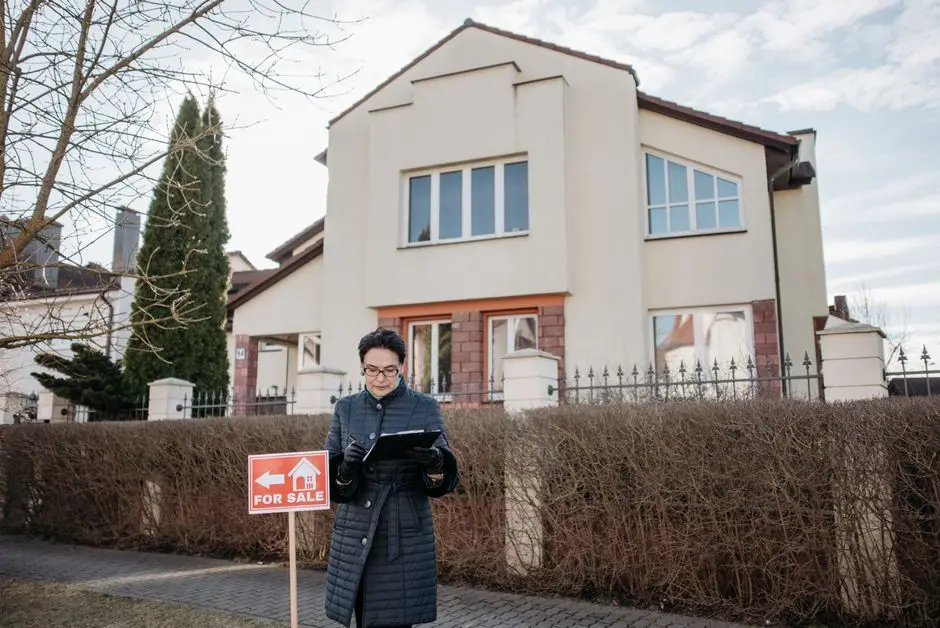

Photo by Pavel Danilyuk on Pexels
Why Cold Leads Are Worth More Than You Think
Every real estate agent has a list of leads that simply stopped responding. They filled out a form, requested a home value estimate, or had one great phone call, and then disappeared. It is easy to write these contacts off and chase new leads instead. But that instinct can cost you real money.
Consider the market context. As of September 2026, the median home sales price in the US sat at $410,700, and the average 30-year fixed mortgage rate was approximately 6.95 percent, according to national housing data. Buyers and sellers who went quiet six months ago were often reacting to conditions that felt uncertain. They did not vanish because they lost interest in real estate. They paused. And paused leads who re-engage are often far more motivated than cold inbound inquiries because they have already done research and already know you.
The goal of this playbook is to give you a practical system for finding those people, re-engaging them with the right message, and converting more of them into closed transactions.
Step One: Segment Your Cold Leads Before You Contact Anyone
Not all quiet leads are the same. A lead who inquired nine months ago is very different from one who fell silent last month. Before you pick up the phone or send a single email, take 30 minutes to segment your database into meaningful groups.
Useful segmentation categories include:
- Time since last contact: 30-90 days, 90-180 days, and more than 180 days each warrant a different tone and approach.
- Lead type: Buyer, seller, investor, or renter leads respond to different value propositions.
- Last known stage: Were they pre-approved and looking, or still in early research mode? This changes everything.
- Lead source: IDX website leads who searched listings may still be watching the market, while referral leads who went quiet may need a softer personal touch.
A CRM with robust lead management tools makes this segmentation fast. With LocalEdge Marketing Co., you can apply tags, update pipeline stages, and use bulk actions to group hundreds of leads in minutes. Once your segments are clear, your outreach becomes far more relevant and far more effective.
Step Two: Verify Contact Information Before You Reach Out
One of the most common reasons re-engagement campaigns fail is bad data. Phone numbers change. Email addresses go inactive. Before you invest time crafting the perfect message, confirm that your contact information is still accurate.
This is where built-in skip tracing becomes a major time-saver. Rather than paying for a separate service or manually searching public records, you can run skip tracing directly from a lead profile inside the CRM. This surfaces updated phone numbers and email addresses tied to the property owner, so your outreach actually reaches someone instead of bouncing into the void.
Take 15 minutes to run skip traces on your highest-priority cold lead segments before launching any campaign. It is a small step that meaningfully improves your reply rate.
Step Three: Craft Re-Engagement Messages That Feel Personal, Not Pushy
The biggest mistake agents make when reaching back out to cold leads is sending a message that screams "I want a transaction." Cold leads went quiet for a reason. Your job in the first touch is simply to restart a conversation, not close a deal.
Effective re-engagement messages share a few traits:
- They acknowledge the gap without apologizing for it. Something like, "I know it has been a while since we connected, and I wanted to reach back out because the market has shifted in ways that might matter to you."
- They lead with value, not need. Share a relevant data point or market insight rather than asking where they are in the process.
- They end with a low-commitment ask. A yes or no question works better than an open-ended one. "Are you still thinking about making a move in the next six to twelve months?" is far easier to answer than "What are your real estate goals?"
For example, as of September 2026, the national housing data showed approximately 1,275,000 housing starts, signaling that new inventory is coming to market. If you have a buyer lead who went quiet because they could not find the right property, that is a genuinely useful piece of information worth sharing.
Step Four: Use Drip Campaigns to Stay Visible Without Burning Out
Manual one-by-one outreach to hundreds of cold leads is not sustainable. The solution is an automated drip campaign that keeps you in front of cold leads on a consistent schedule without requiring you to write a new email every day.
Well-designed drip campaigns for cold leads typically include:
- A warm re-introduction email in week one referencing the lead's original inquiry
- A market update email in week two sharing relevant stats without being salesy
- A social proof email in week three featuring a recent client success story (always anonymized and with permission)
- A direct outreach email in week four making a clear, simple ask
With customizable templates, delay scheduling, and trigger-based enrollment, you can build this sequence once and let it run for every cold lead segment you identify. Reusable email templates with merge fields mean every email reads like it was written personally for that recipient, even when it is automated. That personalization matters more than most agents realize.
Step Five: Re-Enroll Cold Leads in Property Alerts
Buyers who went quiet often did so because the listings they saw did not match what they wanted. One of the most passive yet powerful re-engagement tools available is the property alert. When a new listing matches a buyer's saved search criteria, an automated email goes out to them without any manual work on your part.
Setting up or refreshing a buyer's saved search takes under two minutes, and it keeps your name in their inbox on a regular cadence. As of September 2026, there were over 11,679 active listings in the local market at a median active price of $215,000. With that much inventory moving, there is a solid chance something new has come on the market that fits what a cold buyer lead was originally searching for.
If a lead clicks through a property alert and re-engages with your IDX website, that behavioral signal is captured in your CRM, giving you a warm trigger to follow up with a direct call or text.
Step Six: Pick Up the Phone (and Text)
Email is powerful for staying visible. Calling and texting is how you actually restart conversations. Many agents avoid calling cold leads because it feels awkward. But a well-timed, brief phone call with a clear reason for reaching out almost always outperforms email alone.
Built-in calling and two-way SMS texting from lead profiles means you can reach out without switching between five different apps. Click-to-call, voicemail drop, and call recording keep your outreach organized and help you track what is working. Texting cold leads with a short, specific message, such as noting that something new and relevant just hit the market, can generate replies that emails never would.
Pair your calls with your drip campaign so the phone touches align with what the lead has recently received by email. This creates a consistent, multi-channel presence that feels coordinated rather than scattered.
Step Seven: Track, Measure, and Adjust
Re-engagement is not a one-and-done effort. The leads who reply in the first week are the easy wins. The ones who convert two or three months later are often your most serious clients. The key is maintaining visibility without becoming noise.
Use your lead pipeline to move contacts through stages as they re-engage. Set tasks and appointments so no hot reply falls through the cracks. Review your drip campaign open rates and reply rates monthly and swap out underperforming email templates for new ones. Over time, you will build a re-engagement system that runs largely on autopilot and consistently pulls closeable business out of a list most agents have abandoned.
As of September 2026, the average days from listing to close in the local market was 73 days, with 4,200 closed sales in the prior 30 days. The market is active. Cold leads who come back in are entering a market where deals are happening, and they need a knowledgeable agent ready to move quickly.
The Right Tools Make All the Difference
A re-engagement system this comprehensive is only practical if your CRM can support it. Manual spreadsheets and disconnected tools will slow you down and cause you to miss follow-ups. A fully integrated platform with skip tracing, drip campaigns, property alerts, built-in calling and texting, and a complete lead pipeline puts every tool in one place.
LocalEdge Marketing Co. offers a Starter plan at $69 per month and a Pro plan at $129 per month that includes email templates, lead sharing, integrations, and support for additional team members at $39 per seat. Both plans come with a 14-day free trial with full access and no credit card required, so you can build your first re-engagement campaign before spending a dollar.
If you are an Ohio agent looking to free up more time for lead re-engagement, the transaction coordinator service handles contract-to-close coordination so you can focus on the front end of your pipeline where the re-engagement work happens.
You can also explore the LocalEdge blog for more strategies on lead generation, CRM optimization, and building a consistent follow-up system that scales with your business.
Start Reviving Your Cold Leads Today
Cold leads are not a sunk cost. They are a pipeline of potential that most agents walk away from too soon. With the right segmentation, verified contact data, personalized messaging, and automated tools running in the background, you can systematically convert quiet contacts into active clients and active clients into closed transactions. The agents who win in any market are the ones who show up consistently long after everyone else has moved on. Reach out to the LocalEdge team to learn how the platform can support your re-engagement strategy and help you close more deals from leads you already have.