Photo by RDNE Stock project on Pexels
Why Most Open House Leads Go Nowhere
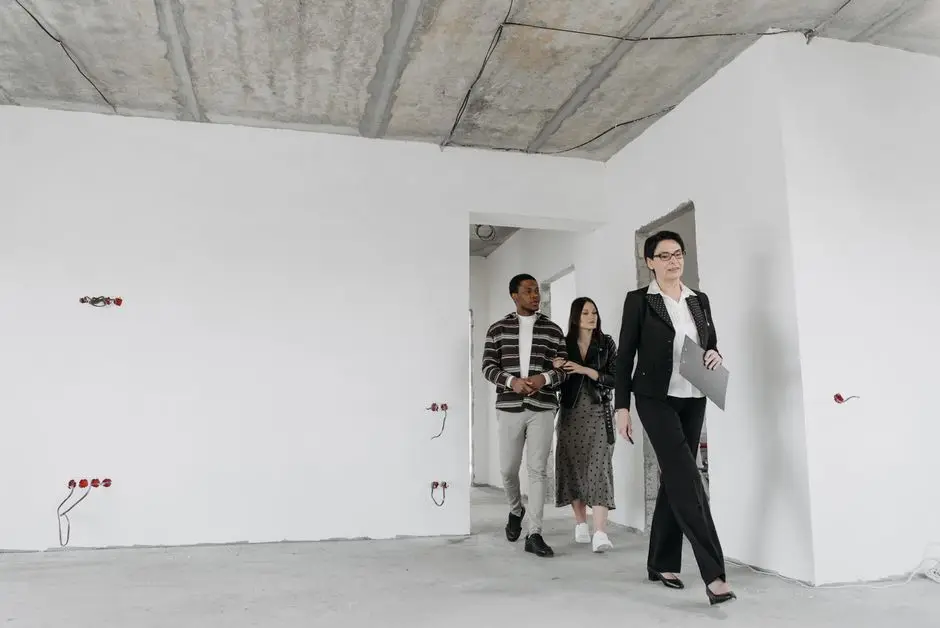
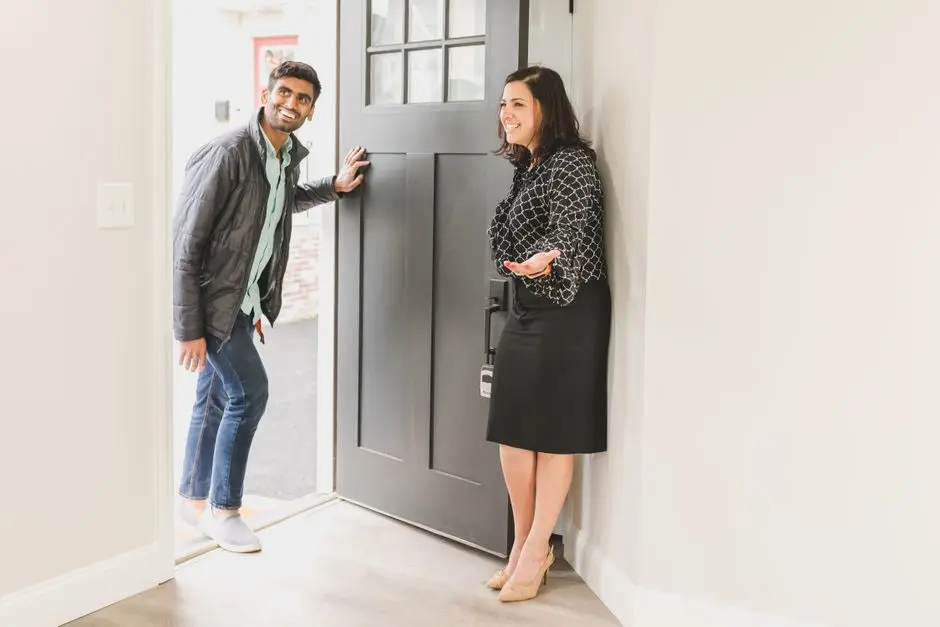
Hosting an open house is one of the most visible marketing moves an agent can make. You stage the home, set out sign-in sheets, answer questions for hours, and shake a dozen hands. Then Monday morning arrives and those sign-in sheets collect dust on your desk.
The hard truth is that most open house leads are never meaningfully followed up with. According to the National Association of Realtors, a significant share of buyers visited open houses before purchasing, yet agents consistently report that converting those visitors into clients is one of their biggest challenges. The gap is not in the number of leads generated. It is in the system used to nurture them afterward.
As of September 2026, the national median home sales price sat at $410,700 (second quarter of 2026 data), and the average 30-year fixed mortgage rate was approximately 6.66 percent. With affordability remaining a real concern for many buyers, your open house visitors are likely doing more comparison shopping and taking longer to make decisions. That means your follow-up window is not 24 hours. It is weeks or months, and you need a system that works on that timeline.
Step One: Capture Better Information at the Door
The foundation of any great follow-up is quality contact data. A paper sign-in sheet with a first name and a scribbled email address will not get you far. Here is how to capture information that actually leads somewhere.
- Use a digital sign-in form on a tablet or phone. Digital forms reduce illegible handwriting and make it easy to import data directly into your CRM.
- Ask a qualifying question or two. Simple questions like "Are you working with an agent?" or "What is your ideal timeline?" give you context for every follow-up conversation.
- Offer something in exchange. A free home value estimate or a neighborhood market report gives visitors a reason to share real contact information instead of a throwaway email.
- Get a phone number, not just an email. SMS response rates far outperform email, especially for that first 24-hour touchpoint.
Once the open house wraps up, your very next move should be importing those leads into your CRM before the end of the day. Memory fades fast and so does momentum.
Step Two: Automate the First 72 Hours
The first 72 hours after an open house visit are your highest-leverage window. Visitors remember you, remember the home, and are still emotionally engaged. A well-timed automated follow-up sequence during this period can set you apart from every other agent who sends a generic "Thanks for stopping by" email a week later.
A CRM platform like Local Edge Marketing Co. lets you enroll open house leads into automated drip campaigns immediately after import. You can build a sequence that looks something like this:
- Day 1 (within 2 hours): A personalized text message thanking them for visiting and offering to answer any questions.
- Day 2: An email with a market snapshot, including recent comparable sales and active listings in the area.
- Day 5: A follow-up email asking about their timeline and budget comfort level, framed as a resource, not a pitch.
- Day 10: Property alerts set up based on their expressed criteria, so they start receiving relevant listings automatically.
This kind of sequence does the heavy lifting for you. While you are at your next showing or listing appointment, your CRM is staying warm with every open house lead you collected over the weekend.
Step Three: Segment Your Leads and Personalize the Path
Not every open house visitor is in the same place in their journey. Some are six months out and just browsing. Others are pre-approved and ready to write an offer in 30 days. Treating them all the same guarantees you will lose most of them.
Inside your lead pipeline, tag visitors based on what you learned at the open house. Common tags might include "pre-approved," "12-month timeline," "first-time buyer," or "needs to sell first." From there, you can enroll each segment into a different drip campaign with messaging that matches where they actually are.
For visitors who expressed a longer timeline, property alerts are particularly powerful. When your CRM automatically emails a lead every time a new listing matches their saved search, you stay top of mind without any manual effort on your part. Over weeks and months, that kind of consistent, relevant communication builds the trust that eventually converts a browser into a buyer.
Step Four: Use Phone and Text to Build a Real Relationship
Email and property alerts are great for passive nurturing, but nothing replaces a real conversation when a lead starts showing signs of readiness. Built-in calling and SMS features inside your CRM allow you to reach out with a single click, log the conversation automatically, and follow up via text without switching apps.
Call recording is a particularly underused tool. Reviewing your own conversations over time helps you identify what questions come up most often, where prospects hesitate, and how to sharpen your pitch. Two-way texting also means leads can reply to you directly, and you can see that response inside the lead profile alongside every other touchpoint in the relationship.
A good rule of thumb: call within the first 24 hours for any visitor who expressed a near-term timeline, and rely on automated drip campaigns plus periodic check-in calls for longer-horizon leads.
Step Five: Connect Your Open House to Your IDX Website
Your IDX website is one of the most underutilized assets in your follow-up strategy. When open house visitors land on your site, they can search active listings, use a mortgage calculator, and request a home value estimate, all of which generate new lead capture events inside your CRM.
Mention your website in your open house materials and in your follow-up emails. A link like "Browse homes similar to this one" inside your Day 2 email drives traffic back to your site where the lead can self-qualify further and you get valuable data on what they are searching for. That data, in turn, makes your next phone call or text far more relevant and personal.
Playing the Long Game: Leads That Take 6 to 12 Months
As of September 2026, the average days listed to close in the local market was 73 days, and with 12,474 active listings to choose from, buyers have more options and more time to deliberate than they did a few years ago. Many of your open house visitors will not be ready to buy for six months or more, and that is perfectly fine if you have a system that keeps you relevant over that window.
Long-game nurturing looks like this: monthly market update emails, occasional check-in texts, property alerts running in the background, and a note in your CRM to personally reach out every 60 to 90 days. When that lead finally decides they are ready to move, you will be the agent they already feel like they know.
For agents who want to maximize time spent on relationship-building rather than administrative tasks, offloading contract-to-close coordination is a smart move. If you are an Ohio agent, the transaction coordinator service at Local Edge handles the paperwork and milestone tracking so you can stay focused on client-facing work.
Choosing the Right CRM Plan for Your Open House Strategy
The workflows described above are not theoretical. They are built directly into platforms designed for real estate agents. Local Edge Marketing Co. offers two straightforward plans:
- Starter at $69 per month includes lead import and export, skip tracing, phone features, and your IDX website. It is a solid foundation for individual agents who want to start automating follow-up without a big investment.
- Pro at $129 per month adds email templates, drip campaigns, expired listing tools, integrations, and lead sharing for teams. Extra team members are $39 per month per seat, added to Pro as you need them.
Both plans come with a 14-day free trial and full feature access with no credit card required, so you can test the entire workflow before committing.
For more strategies on converting leads and growing your real estate business, visit the Local Edge blog for regularly updated guides on CRM use, marketing, and client retention.
Start Converting Visitors, Not Just Meeting Them
Every open house you host is an opportunity to build a pipeline of future clients, but only if you treat it that way from the moment the first visitor walks through the door. With a solid sign-in process, an automated follow-up sequence, smart lead segmentation, and consistent long-term nurturing, you can turn even the most casual browser into a closed deal months down the road.
Ready to build a system that works while you are busy doing everything else? Contact the Local Edge team to learn how the platform can support your open house follow-up strategy from day one.