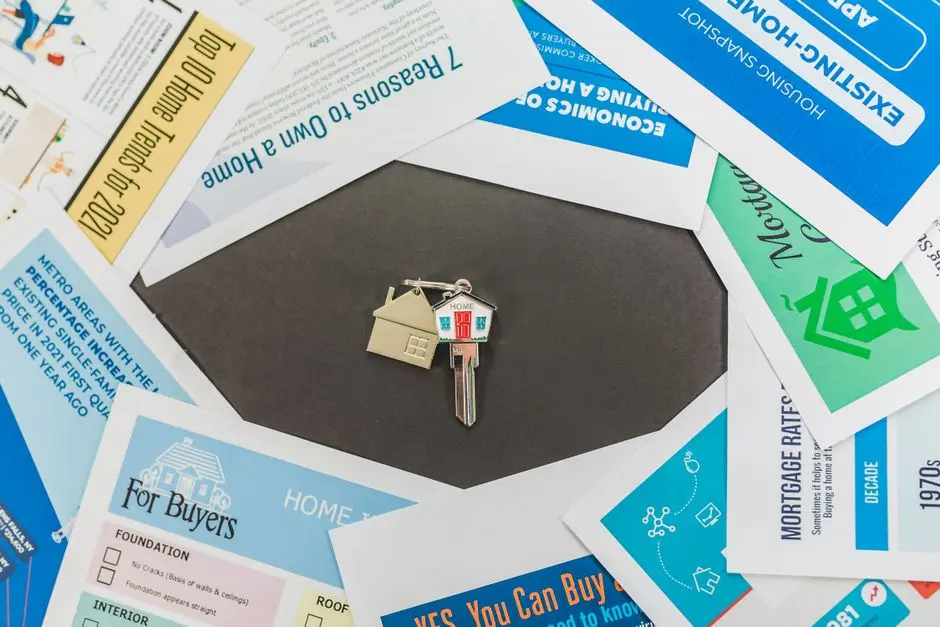
Photo by RDNE Stock project on Pexels
Why Paid Ads Fail Most Real Estate Agents (And How to Fix That)
Paid advertising promises quick visibility, a steady stream of leads, and a scalable growth engine. For many real estate agents, though, the reality looks different: a few hundred dollars spent on Facebook or Google ads, a handful of low-quality clicks, and no conversions to show for it. The campaigns get paused, and the agent concludes that "paid ads don't work."
The problem is rarely the platform. It's the strategy.
As of September 2026, the median home sales price in the U.S. sits at $410,700, and average 30-year fixed mortgage rates are hovering around 7.03 percent (figures reflect national data from September 2026). Buyers and sellers are more deliberate than ever. They research extensively before they ever raise their hand. That means your ads need to reach the right person, with the right message, at the right stage of their decision-making process. And when someone does click, your follow-up system needs to be airtight.
This guide breaks down exactly how to do that without burning through your marketing budget.
Set Your Foundation Before You Spend a Dollar
Throwing money at ads without a conversion infrastructure in place is like opening a faucet with no bucket underneath. Before you launch any paid campaign, make sure you have these three things in order.
A Lead-Capturing Website That Works
Your ad traffic needs somewhere to land. A generic brokerage page shared with dozens of other agents won't cut it. You need a dedicated agent website with IDX property search, a home value estimator, and lead capture forms designed to convert visitors into contacts.
Platforms like LocalEdge Marketing Co. include a custom IDX website with built-in lead capture as part of every plan. When a visitor searches for homes or requests a home value estimate, their contact information is captured and dropped directly into your CRM pipeline. That's the foundation everything else builds on.
A CRM to Manage Every Lead
Paid ads generate volume. Without a system to organize, track, and follow up with every contact, you will lose leads that cost you real money to acquire. Your CRM should give you pipeline stages, tagging, task management, and automated follow-up tools so no one falls through the cracks.
A Follow-Up Plan
Most leads from paid ads are not ready to transact immediately. According to industry research, it often takes multiple touchpoints over weeks or months before a lead converts to a client. Your follow-up plan needs to account for that timeline, not just the first 24 hours.
Choosing the Right Ad Platform for Your Goals
Not all ad platforms are created equal for real estate, and the best choice depends on what stage of the funnel you're targeting.
Google Search Ads: High Intent, Higher Cost
Google Search ads appear when someone actively types a query like "homes for sale in Columbus" or "sell my house fast." This intent is incredibly valuable because the person is already looking. The trade-off is that cost-per-click (CPC) for real estate keywords can be significant, sometimes ranging from $5 to $20 or more depending on market competition.
To avoid overspending on Google Search:
- Use exact match and phrase match keywords rather than broad match to avoid irrelevant clicks.
- Add negative keywords (such as "rental," "apartment," or "commercial") to filter out traffic that won't convert.
- Set geographic targeting tightly around your actual service area, not the entire metro.
- Send traffic to a specific landing page with one clear call to action, not your homepage.
Meta Ads (Facebook and Instagram): Lower Cost, Broader Reach
Meta platforms excel at reaching people who are not yet actively searching but match the profile of a likely mover. You can target by location, homeownership status, life events (such as recently married or recently moved), and interests related to home improvement or real estate.
Effective Meta ad strategies for agents include:
- Running a home value lead magnet ad that offers a free comparative market analysis (CMA) in exchange for an address and contact info.
- Using listing video ads to generate awareness and retarget viewers with a follow-up offer.
- Building a custom audience from your existing contact list and creating lookalike audiences to find new prospects with similar characteristics.
- Retargeting website visitors who viewed specific property pages but did not submit a lead form.
YouTube and Display: Long-Term Brand Building
YouTube pre-roll ads and Google Display Network placements are better suited for brand awareness than immediate lead generation. If your budget is limited, prioritize Search and Meta first. Once you have a profitable baseline, layer in video and display campaigns to increase brand recognition in your market.
Writing Ad Creative That Actually Converts
Even a perfectly targeted ad will fail if the creative doesn't stop the scroll or answer the right question. Here's what works in real estate paid advertising.
Lead With Value, Not Your Brand
No one clicks an ad because they want to learn more about your team. They click because you offered something that solves their problem. Instead of "Call The Smith Group Today," try "See Homes Listed Under $250,000 in [City] Before They Sell." The value proposition is front and center.
Use Real Numbers When Possible
Specificity builds credibility. As of September 2026, local listing data shows a median active price of $215,000 and an average of 73 days from listing to close over the past 90 days. Using market-specific figures in your ad copy signals that you know the local landscape, which differentiates you from generic competitors.
"Homes in [Your Market] are taking an average of 73 days to close. If you're thinking about selling, the sooner you price it right, the better your outcome. Get a free market analysis today."
Test Multiple Creative Variations
Never run a single version of an ad and assume it's your best performer. Create two to three variations of each ad with different headlines, images, or calls to action. Let them run simultaneously for at least one to two weeks and a meaningful number of impressions before drawing conclusions. Pause the underperformers and invest more in what's working.
Build a Follow-Up System That Captures ROI
The ad click is not where the money is made. The money is made in the follow-up. This is where most agents lose the ROI on their ad spend.
Automate the First 72 Hours
A new lead should hear from you within minutes of submitting a form, not hours. Automated drip campaigns allow you to set up a sequence of emails that goes out immediately upon lead capture, followed by additional touchpoints over the following days. Platforms like LocalEdge Marketing Co. include trigger-based email drip campaigns with customizable templates and delay scheduling, so your follow-up runs even when you're in showings.
Use Property Alerts to Stay Relevant
One of the most powerful tools for keeping buyer leads engaged is the automated property alert. When a lead searches for homes on your IDX website, you can enroll them in saved search alerts that automatically email new listings matching their criteria. This keeps your name in their inbox regularly with content that's genuinely relevant to them, without any manual effort on your part.
Follow Up by Phone and Text
Email alone isn't enough. Built-in calling and SMS tools that allow click-to-call, voicemail drops, and two-way texting directly from a lead's profile make it easy to reach out quickly across multiple channels. As of September 2026, with 4,191 closed sales recorded in the past 30 days in the local market data, competition for active buyers and sellers is real. Fast, multi-channel follow-up separates the agents who convert leads from those who don't.
Track What Matters and Cut What Doesn't
Budget waste usually comes from running campaigns too long without interrogating the numbers. Set a clear review cadence (weekly for active campaigns) and evaluate these core metrics:
- Cost Per Lead (CPL): How much are you paying for each contact? Compare this across platforms and ad sets.
- Lead-to-Appointment Rate: What percentage of leads are converting to a scheduled call or showing? If this is low, the issue may be in your follow-up, not the ads.
- Appointment-to-Close Rate: Of the leads that become appointments, how many turn into closed deals? Track this by lead source to understand which ad campaigns produce the highest quality contacts.
- Return on Ad Spend (ROAS): Divide your total commission from ad-generated closings by your total ad spend over the same period. This is your true north metric.
Use your CRM's pipeline and deal tracking features to assign lead sources to each deal so you can tie closed revenue back to specific campaigns. Without this attribution, you're guessing.
How Much Should You Actually Spend?
There's no universal answer, but a practical starting point for most agents is a monthly ad budget between $500 and $1,500, split across one or two platforms. Start conservatively, prove the model, and scale what works. As of September 2026, with housing starts at 1,275,000 units and building permits at 1,394,000 units nationally, new inventory is entering the market steadily, which means motivated buyers are actively researching. A well-structured ad campaign puts you in front of them at exactly the right moment.
Keep in mind that mortgage rate conditions affect buyer urgency. With rates around 7.03 percent as of September 2026, affordability is a key concern for many buyers. Ads that acknowledge this reality, such as those offering mortgage calculator tools or connecting buyers to lenders for rate information, will often outperform generic listing promotions. Always direct buyers to a licensed lender for rate and qualification guidance, as rates and terms vary by individual circumstances.
Putting It All Together
Running paid ads without wasting budget comes down to three interconnected pillars: precise targeting that reaches people most likely to need your services, compelling creative that earns the click, and a robust follow-up system that converts that click into a conversation. When those three elements are working together, paid advertising becomes one of the most predictable and scalable growth channels available to real estate agents.
For more strategies on growing your real estate business, explore additional resources on our agent marketing blog. If you're managing a high volume of transactions and need support from listing to close, our transaction coordinator service is available for Ohio agents and handles the contract-to-close coordination so you can stay focused on generating business.
Ready to build the lead management infrastructure that makes your ad spend work harder? LocalEdge Marketing Co. offers a 14-day free trial with full access to the IDX website, drip campaigns, built-in calling and texting, property alerts, and complete pipeline management, no credit card required. Plans start at $69 per month for the Starter tier, with the Pro plan at $129 per month for teams that need lead sharing, integrations, and expanded tools. Start your free trial today and give your paid ad campaigns the foundation they need to actually convert. You can also contact us with any questions about which plan fits your business.