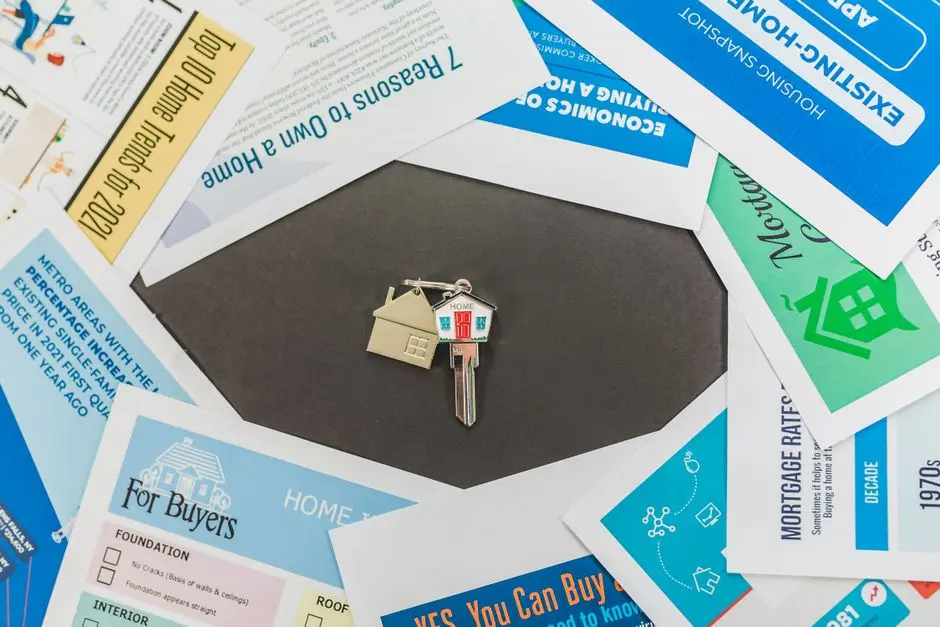

Photo by Kindel Media on Pexels
Why Email Marketing Still Wins in Real Estate
In an industry driven by relationships and timing, email marketing gives real estate agents a direct, scalable way to stay in front of prospects and past clients without burning through a paid advertising budget. While social media algorithms and ad costs fluctuate unpredictably, a well-maintained email list is an asset you own outright.
The numbers reinforce this. According to the Data and Marketing Association's research, email marketing consistently delivers some of the strongest returns of any digital channel, with many studies citing returns of $36 or more for every $1 spent. For agents working in a market where, as of September 2026, the median U.S. home sales price sat at $410,700 and average 30-year fixed mortgage rates were around 7.03 percent, staying top-of-mind with buyers and sellers who are on the fence has never been more important. A strategic email program keeps you in that conversation.
Build a Permission-Based List First
Before you write a single subject line, the foundation of effective email marketing is a clean, permission-based contact list. Sending emails to people who never opted in is not only ineffective, it can get your domain flagged by inbox providers and expose you to CAN-SPAM liability.
Where to Capture Leads Legitimately
- Your IDX website: A custom agent website with built-in lead capture forms is one of the most reliable sources of opt-in contacts. When visitors use a home value estimator or save a property search, you collect their information with implied consent.
- Open houses: A simple sign-in form, digital or paper, that clearly notes you will follow up via email builds your list at every event.
- Social media lead ads: Platforms like Facebook and Instagram offer lead gen forms that feed directly into your CRM pipeline when integrated properly.
- Referrals and sphere of influence: Ask satisfied clients if they know anyone who would benefit from your market updates. A personal introduction followed by an email opt-in is gold.
Once you have contacts, segment them immediately. Buyers, sellers, past clients, investors, and renters each have different needs. An email about preparing a home for listing is irrelevant noise to someone actively searching for their first home. Segmentation is what separates a broadcast from a conversation.
Craft Subject Lines That Get Opened
Your subject line is the only thing standing between your email and the trash folder. The average office worker receives over 120 emails per day, so standing out requires intention.
Principles That Consistently Work
- Be specific and relevant: "3 Homes Under $215,000 That Just Hit the Market" outperforms "Check Out New Listings" every time. As of September 2026, the median active listing price in many markets sits around $215,000, so price-specific subject lines resonate with budget-conscious buyers.
- Use the recipient's name sparingly but effectively: Personalization tokens like first name in a subject line can lift open rates, but overusing them feels robotic. Reserve it for high-stakes messages.
- Create curiosity, not clickbait: "What happened to home prices this month" sparks curiosity without overpromising. Clickbait that does not deliver trains readers to ignore your emails.
- Keep it under 50 characters: Most mobile email clients truncate subject lines beyond 40 to 50 characters. If your key message is cut off, the open rate drops.
- Test, test, test: A/B test subject lines on every major campaign. Even small improvements compound significantly over thousands of contacts.
Write Emails People Actually Want to Read
Once the email is opened, the content has to deliver on the subject line's promise. Real estate emails that perform well share a few traits: they are short, they lead with value, and they make one clear ask.
The High-Value Email Formats That Work Best
- Monthly market updates: Share local data such as days on market, closed sales volume, and price trends. For context, as of September 2026, closed sales over the prior 30-day period nationally numbered over 4,100 transactions in many tracked markets, with homes averaging around 73 days from listing to close. Framing data like this positions you as a knowledgeable resource, not just someone trying to sell something.
- New listing alerts: When a property matching a saved search hits the market, an automated alert sent within minutes dramatically increases engagement. This is one of the most clicked email types in real estate.
- Educational content: Guides on the mortgage process, what to expect during inspections, or how to read a net sheet give value regardless of where a contact is in their timeline.
- Seasonal check-ins: A spring "Is now a good time to list?" email or a fall "Home maintenance checklist" keeps you visible without being salesy.
- Anniversary and milestone emails: Reaching out on the anniversary of a client's closing builds loyalty and often generates referrals.
"The goal of email marketing is not to sell on every send. It is to be the agent people think of first when they are ready to move."
Automate Without Losing the Personal Touch
Automation is what transforms email marketing from a time-consuming chore into a scalable system. The key is setting up automated sequences that feel personal, not like mass blasts.
Drip Campaigns That Work for Agents
A well-designed drip campaign nurtures a lead from initial inquiry to closed transaction over weeks or months without requiring you to manually send each email. The most effective drip sequences for agents include:
- New lead welcome sequence: A 3 to 5 email series delivered over the first two weeks after someone registers on your website. Introduce yourself, share your value proposition, and offer a resource like a buyer's guide or a home value estimate.
- Long-term nurture sequence: For leads who are 6 to 18 months out, a monthly touchpoint with market data and helpful content keeps you relevant until they are ready to act.
- Post-closing sequence: Deliver maintenance tips, anniversary greetings, and periodic market updates to past clients, keeping referrals flowing for years after closing.
A CRM platform like Local Edge Marketing supports automated drip campaigns with customizable templates, delay scheduling, and trigger-based enrollment, so you can build these sequences once and let them run. Combine that with built-in property alerts that automatically email leads when new listings match their saved criteria, and your email marketing practically runs itself between personal touches.
Personalization at Scale with the Right Tools
The most common objection agents have to email marketing is that it feels impersonal. That objection disappears with the right setup. Reusable email templates with merge fields let you send emails that populate each recipient's name, address, or other details automatically. Sending a personalized email from a lead's profile takes seconds rather than the minutes required to compose one from scratch.
Pairing email outreach with SMS and calling creates a multi-touch sequence that significantly increases response rates. When a drip email goes unanswered, a timely follow-up text or call through the same platform closes the loop. Built-in two-way texting and click-to-call features from within lead profiles make this seamless.
For team leads and brokers, the ability to share leads across team members, assign tasks, and track all email communication in one place under a team management structure keeps accountability high and nothing slips through the cracks. On the Local Edge Marketing Pro plan at $129 per month, teams get email templates, lead sharing, subuser access, and integrations, with additional team members available at $39 per month per seat. A 14-day free trial with full access and no credit card required makes it easy to evaluate the platform before committing.
Compliance and Deliverability: The Non-Negotiable Basics
Great email content means nothing if your emails land in spam. Deliverability depends on technical setup and list hygiene working together.
Technical Setup Checklist
- Authenticate your sending domain with SPF, DKIM, and DMARC records. Without these, major inbox providers like Gmail and Outlook will deprioritize your emails.
- Use a dedicated sending domain or subdomain rather than sending bulk emails from your primary personal address.
- Warm up new sending domains gradually rather than blasting thousands of emails on day one.
List Hygiene Best Practices
- Remove hard bounces immediately after any campaign.
- Suppress or re-engagement contacts who have not opened an email in 12 months before removing them.
- Always include an easy, one-click unsubscribe link in every email. This is required under CAN-SPAM, and honoring it promptly protects your sender reputation.
- Never purchase email lists. Purchased lists are full of unverified contacts, high bounce rates, and spam traps that can get your domain blacklisted.
Measure What Matters
Effective email marketing is iterative. Track these four metrics consistently to know what is working and where to improve:
- Open rate: The percentage of recipients who opened the email. Industry averages for real estate hover between 20 and 30 percent. If you are below that range, start with subject line testing.
- Click-through rate (CTR): The percentage who clicked a link. This reflects how compelling your content and calls-to-action are.
- Reply rate: For nurture and personal outreach emails, replies are the ultimate signal of engagement. A reply starts a conversation that can lead directly to a transaction.
- Conversion rate: How many email recipients ultimately became clients? Tie email activity to your lead pipeline stages to see which campaigns produce closings.
Reviewing these metrics monthly and adjusting your templates, timing, and segmentation based on what the data shows is what separates agents who dabble in email from agents who build a real pipeline from it. For more strategies on growing your real estate business, explore additional articles on the Local Edge blog.
Put It All Together and Start Today
Email marketing works best when it is systematic rather than sporadic. Set up your list segmentation, build out two or three drip sequences, establish a monthly market update cadence, and commit to measuring results every 30 days. The agents who grow the most sustainable businesses are the ones who show up consistently in their clients' inboxes with something genuinely useful, month after month, regardless of whether the market is hot or slow.
If you are ready to streamline your email marketing alongside your full lead pipeline, visit localedgemarketingco.com to explore the platform and start a 14-day free trial at no cost and with no credit card required. If you are an Ohio agent looking to reclaim time on the back end of your deals, the transaction coordinator service handles contract-to-close coordination so you can focus on building relationships and growing your pipeline. Have questions about which plan fits your business? Reach out to the team and get answers from someone who understands what agents actually need.