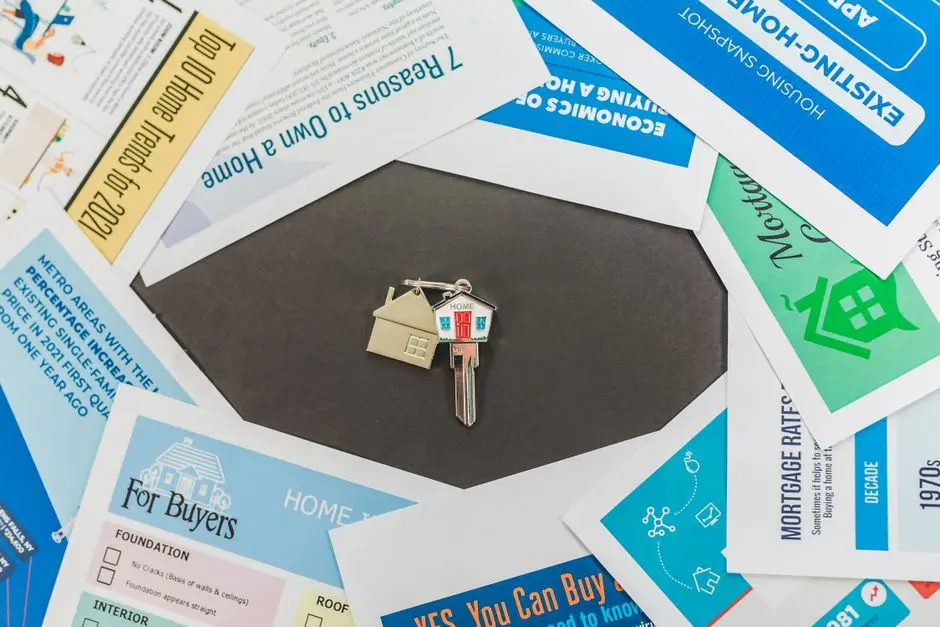

Photo by Kampus Production on Pexels
Why Your Past Clients Are Your Most Valuable Business Asset
In real estate, the deal closing is not the finish line. It is the starting point of a long-term relationship that, when nurtured correctly, can become your most reliable source of new business. Research from the National Association of Realtors has consistently shown that the majority of buyers and sellers say they would use their agent again or recommend them to others, yet a large share of those same consumers end up working with a different agent on their next transaction. The reason? Most agents simply stop communicating after the closing table.
With the average 30-year fixed mortgage rate sitting at 7.40 percent as of October 2026, and the national median home sales price at $410,700 as of the second quarter of 2026, both buyers and sellers are making high-stakes financial decisions. They want to work with someone they already trust. That someone should be you, but only if you have stayed visible and relevant.
Building a referral engine from your past clients is not about luck or personality. It is about systems, consistency, and showing up with value long after the transaction ends.
The Foundation: Organize Your Database Before You Market to It
You cannot run an effective referral program from a spreadsheet buried in your downloads folder. The first step is getting your past client data into a centralized CRM where you can segment, tag, and automate follow-up.
A platform like Local Edge Marketing Co. gives you a full lead pipeline with stages, types, sources, tags, notes, tasks, and appointment tracking. You can import your existing client list via CSV and immediately begin organizing contacts by close date, transaction type, zip code, or any custom tag that makes sense for your business.
Here is how to set up your past client database for referral marketing:
- Tag by close year and transaction type. Knowing that a client bought in 2022 versus 2024 shapes what content is relevant to them.
- Add a "referral source" note. Tracking where each client originally came from helps you identify which referral channels are already working.
- Flag warm contacts. Mark clients who responded positively at closing, left reviews, or have already sent you business. These are your tier-one advocates.
- Verify contact information. If older records have bounced emails or disconnected numbers, built-in skip tracing can help you locate updated phone and email information directly inside the CRM without switching tools.
Building a Stay-in-Touch Drip Campaign That Does Not Feel Like Spam
The most common mistake agents make with past client marketing is either going completely silent or suddenly flooding inboxes with generic newsletters. Neither approach works. What does work is a thoughtful, value-driven drip campaign that delivers relevant content at the right intervals.
Automated email drip campaigns with customizable templates, delay scheduling, and trigger-based enrollment make it possible to set this up once and let it run in the background while you focus on active deals. Here is a framework for a 12-month past client drip sequence:
- Week 2 post-close: A personal "settling in" check-in email. Ask how the move went and offer to answer any questions about their new home.
- Month 1: A local market update email. Reference objective data like building permits (which came in at 1,400,000 seasonally adjusted annual units in September 2026) and housing starts (1,221,000 units in September 2026) to show you are tracking trends that affect their home's value.
- Month 3: A home maintenance reminder with seasonal tips. This is purely helpful and builds goodwill.
- Month 6: A home value update using your IDX website's home value estimator tool. Invite them to check their estimate and reach out with questions.
- Month 9: A referral ask, done gracefully. Something like: "If you know anyone thinking about buying or selling, I would be honored to be the person they call."
- Anniversary of their close date: A personalized "happy homeversary" message. This one touch alone generates more replies and referrals than almost anything else agents do.
Using reusable email templates with merge fields, you can personalize every one of these touchpoints at scale without typing individual emails. The merge fields pull in the client's name, address, and other details automatically, so each message feels personal even when it goes to hundreds of contacts.
Using Your IDX Website as a Referral Capture Tool
Your past clients will talk about real estate even when they are not buying or selling. When a coworker mentions they are thinking about listing, your past client will recommend you, and that prospect will likely search your name. What they find matters enormously.
A custom agent website with IDX property search, a home value estimator, a mortgage calculator, and lead capture forms gives that referred prospect somewhere professional to land. It also gives you a mechanism to capture their information so you can follow up, even if they are not ready to call you right away. Property alerts saved through your IDX site will automatically email those leads when new listings match their search criteria, keeping your name in their inbox with useful content.
The Phone Is Still Your Most Powerful Referral Tool
Automation handles the frequency problem, but nothing replaces a personal call or text when it comes to deepening relationships. Built-in calling and SMS via two-way texting and click-to-call allows you to reach out directly from a past client's profile, with call recording and voicemail drop available when they do not pick up.
Set a recurring task in your CRM to personally call your top 20 to 30 past clients twice a year. These calls should not be sales calls. Check in on how the home is working out for them, ask about their lives, and let the conversation happen naturally. When you do this consistently, referrals come up organically because you have made yourself memorable and trustworthy.
"The agent who stays in touch wins the referral, even if a client loved working with you. Out of sight is truly out of mind in this business."
Creating a Formal Referral Recognition Program
While you should never offer compensation to unlicensed individuals in exchange for referrals (check your state's specific rules and consult a licensed real estate attorney on this), you absolutely can and should acknowledge referrals with genuine gratitude. Some ideas that work well:
- A handwritten thank-you note sent immediately when someone sends you a referral, regardless of whether that referral converts.
- A small token of appreciation after a referred transaction closes, such as a local restaurant gift card or a donation to a charity in their name.
- Public recognition on your social media (with their permission), celebrating your relationship with that client.
- Priority service when they are ready to transact again. Make sure they know their referral did not go unnoticed.
None of these require a formal program or large budget. They do require intentionality. Tag referral sources in your CRM so you never miss an opportunity to follow up with appreciation.
Leveraging Your Team to Stay Connected at Scale
Solo agents often fall behind on past client follow-up simply because there are not enough hours in the day. If you are running a team, this is where CRM team management becomes a genuine competitive advantage. Team members can be added as paid seats with lead sharing, permissions, and team-wide visibility, meaning your buyer's agent or assistant can manage past client touchpoints on your behalf without losing oversight or personalization.
For Ohio-based brokerages, offloading the administrative burden of active transactions to a licensed transaction coordinator service frees up meaningful time that can be redirected toward relationship marketing and referral cultivation.
Putting It All Together: A Repeatable Referral System
The agents who build durable referral businesses do not rely on memory or motivation. They build systems that run whether or not they are feeling inspired that week. Here is what a complete past client referral engine looks like when all the pieces are in place:
- A clean, organized CRM database with past clients tagged, segmented, and imported.
- An automated 12-month drip campaign delivering value at each stage with personalized templates.
- An IDX website that captures referred leads and continues nurturing them with property alerts.
- A recurring task schedule for personal calls and texts to top-tier past clients twice per year.
- A consistent gratitude practice that acknowledges every referral, every time.
- Clear team responsibilities so follow-up does not fall through the cracks as your volume grows.
The Starter plan at Local Edge Marketing Co. starts at $69 per month and includes skip tracing, phone features, and your IDX website. The Pro plan at $129 per month adds email templates, drip automation, lead sharing, and team management tools, with additional seats available at $39 per month each. Both plans include a 14-day free trial with full access and no credit card required, so you can test-drive the entire system before committing.
For more strategies on growing your real estate business through smarter marketing and CRM tools, explore additional resources on our agent marketing blog.
Start Building Your Referral Engine Today
Your past clients already like you. They trusted you with one of the largest financial transactions of their lives. The only thing standing between that goodwill and a steady stream of referrals is a consistent, value-driven system for staying in touch. You do not need to reinvent your business. You just need the right tools and a commitment to showing up, even after the closing gifts are delivered.
Ready to put your past client marketing on autopilot? Reach out to our team to learn how the right CRM setup can turn your database into your most reliable source of new business. All information in this article is general in nature. For advice specific to your business, licensing obligations, or financial situation, consult a licensed professional in your area.