What Is Neighborhood Farming in Real Estate?
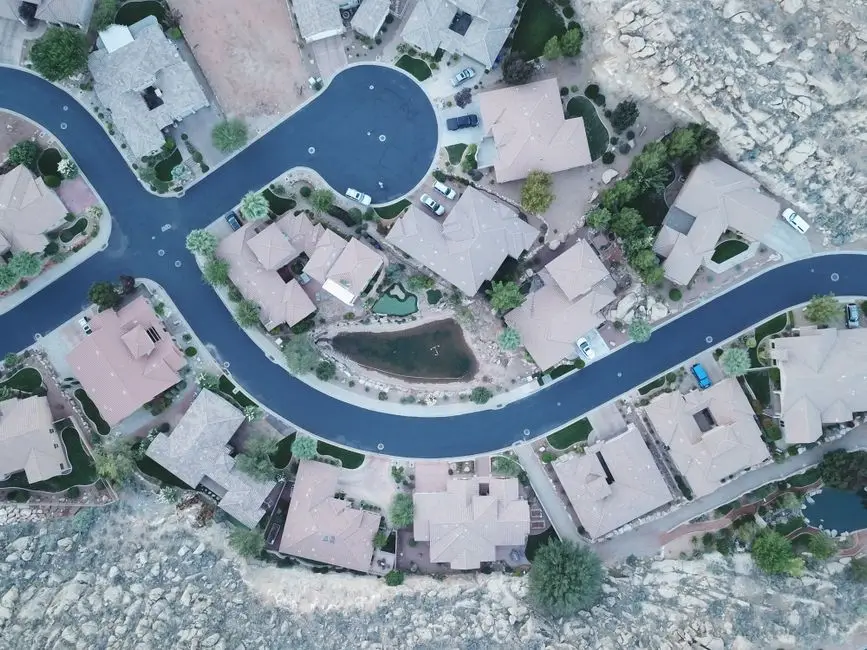
Neighborhood farming is the practice of consistently marketing yourself to a defined geographic area with the goal of becoming the go-to agent in that community. Rather than chasing leads from a dozen different sources, you plant seeds in one targeted area, nurture those relationships over time, and eventually harvest a steady stream of listings and referrals.
It sounds simple, but executing a farm strategy well requires discipline, the right tools, and a realistic timeline. Most agents who quit farming do so because they expect results in 60 days. The agents who thrive at it think in terms of 12 to 24 months. If you are willing to play the long game, geographic farming can become your most reliable source of business.
Why Neighborhood Farming Still Works
In a fragmented media landscape where online ads are easy to ignore and cold calls go to voicemail, consistent physical and digital presence in a defined area cuts through the noise. Homeowners who see your name on a postcard, then get an email from you, then see your sign on a listing down the street are far more likely to call you when they are ready to sell.
The broader market context matters here too. With the average 30-year fixed mortgage rate sitting at approximately 7.32 percent as of October 2026, many homeowners who locked in lower rates years ago are hesitant to move. Turnover in many areas has slowed, which means the agent with the deepest relationships in a farm area has a significant advantage when a homeowner finally does decide the timing is right. Your long-term visibility becomes a competitive moat that out-of-area agents simply cannot replicate.
According to the National Association of Realtors, the vast majority of sellers report they would use their agent again or refer them to others, yet most agents fail to stay in consistent contact with past clients and prospects. Farming solves that problem by forcing you to show up on a schedule.
Choosing the Right Farm Area
Picking the wrong farm area is the fastest way to waste money and lose confidence in the strategy. Here is a framework for evaluating a potential farm.
Turnover Rate
Look for neighborhoods with a turnover rate of at least five to eight percent annually. That means for every 100 homes in the area, at least five to eight should sell each year. A neighborhood with only one or two transactions per year will take far too long to produce a return on your marketing investment. Pull historical sales data from your MLS to calculate this before committing.
Competition
Check whether another agent already owns the farm. If one agent has handled 40 percent of the sales in a neighborhood for the past three years, breaking in will require significantly more time and budget. Look for areas with fragmented market share where no single agent dominates.
Average Sale Price and Commission Math
Your farm needs to make financial sense. The national median home sales price was $410,700 as of the second quarter of 2026, but prices vary widely by region. Calculate the gross commission income on a typical sale in your target area, then determine how many closings per year you need to justify your monthly marketing spend. A farm that yields even two or three listings per year in a higher-priced market can produce an exceptional return on investment.
Farm Size
Most agents starting out should aim for a farm of 400 to 600 homes. This is large enough to generate meaningful transaction volume but small enough to be manageable on a solo agent's marketing budget. As your income from the farm grows, you can expand it.
Building Your Farming Marketing Plan
Consistency is everything. A farm marketing plan that runs for 18 months at a moderate budget will outperform a high-intensity campaign that fizzles out after three months. Build a cadence you can sustain.
Direct Mail
Direct mail remains a cornerstone of geographic farming because it is tangible, personal, and arrives at the home. Postcards are the workhorse of farm mail. Plan to mail your farm at least once per month. Rotate your content so homeowners are receiving something genuinely useful rather than the same "I sell homes" message every time. Effective postcard content includes:
- Recent sales reports with sold prices in the neighborhood
- Market update summaries citing publicly available data
- Home maintenance seasonal tips
- Local event calendars or community news
- Net proceeds estimators or equity snapshots
Always include a clear way to reach you and a URL that drives homeowners to your website where they can request a home value estimate.
Your Agent Website as a Lead Capture Hub
Every piece of direct mail and digital content you produce should point homeowners to your website. A custom IDX website with a built-in home value estimator is particularly powerful for farming because homeowners are naturally curious about what their property is worth, especially in a market where home values have appreciated significantly over the past several years.
A platform like Local Edge Marketing Co. gives you an IDX website with a home value estimator, mortgage calculator, and lead capture forms built in. When a homeowner from your farm visits your site and requests a value estimate, that contact automatically becomes a lead you can nurture with automated follow-up.
Email Campaigns
Once you have captured an email address, automated drip campaigns let you stay in front of prospects without lifting a finger after the initial setup. A well-designed email sequence for farm leads might look like this:
- Immediate delivery of the requested home value report
- A follow-up email three days later with neighborhood market context
- A monthly market update email for as long as they remain on your list
- A seasonal "thinking of selling?" touchpoint twice per year
The key is that each email delivers genuine value. Homeowners who find your emails useful are far less likely to unsubscribe, and far more likely to think of you when the time comes to sell.
Door Knocking and Personal Visits
No digital campaign replaces a face-to-face conversation. Commit to walking your farm area at least once per quarter. Introduce yourself to homeowners you have not met, drop off a market report, and simply ask if they have any real estate questions. These brief interactions dramatically accelerate the relationship-building process. People list with agents they know, like, and trust, and you cannot build that entirely through mail.
Social Media and Targeted Digital Ads
Geo-targeted Facebook and Instagram ads allow you to put your brand directly in front of homeowners in a specific zip code or neighborhood. Use these ads to amplify your just-listed and just-sold announcements, promote your free home value tool, and share market update content. Digital ads work best as a complement to direct mail rather than a replacement, because the two channels reinforce each other.
Using a CRM to Automate and Scale Your Farm
Manual follow-up is the number-one reason farm strategies stall. When you are juggling transactions, showings, and prospecting, it is nearly impossible to consistently reach out to hundreds of contacts on a disciplined schedule without technology doing the heavy lifting.
A purpose-built real estate CRM makes this manageable. Here is how the right tools map to your farm strategy:
Skip Tracing to Find Contact Information
You may have a list of addresses in your farm area, but what about phone numbers and email addresses? Built-in skip tracing lets you find property owner contact details directly from your CRM, so you can move from a mailing list to a fully contactable database without switching between multiple tools.
Drip Campaigns for Long-Term Nurture
Set up automated email drip campaigns with customizable templates and trigger-based enrollment. When a farm lead comes in through your website, they can automatically be enrolled in the appropriate sequence. You define the messaging and timing once, and the system handles the rest.
Built-In Calling and Texting
When a prospect responds to one of your touchpoints and wants to talk, built-in calling and two-way SMS via Twilio means you can reach out instantly from the lead profile. Click-to-call, voicemail drop, and call recording keep your follow-up organized and documented.
Lead Pipeline and Task Management
Not every farm lead will be ready to sell for months or years. A full lead pipeline with stages, tags, notes, tasks, and appointment tracking ensures that every contact in your farm is moving through an intentional process rather than sitting in an abandoned spreadsheet.
The Local Edge Marketing Co. CRM bundles all of these tools into a single platform. The Starter plan at $69 per month includes skip tracing, phone features, your IDX website, and lead import and export. The Pro plan at $129 per month adds email templates, drip campaigns, integrations, lead sharing, and subuser access, with additional team members available at $39 per month per seat. Both plans include a 14-day free trial with full access and no credit card required, so you can test the platform against your actual farm workflow before committing.
Tracking Your Farm Performance
You cannot improve what you do not measure. Track these metrics at least quarterly:
- Number of contacts in your farm database
- Percentage of contacts with email addresses (a key indicator of database quality)
- Email open rates and click-through rates from drip campaigns
- Number of home value estimate requests generated per month
- Listing appointments booked from farm contacts
- Listings and closings attributed to the farm
As housing starts were running at a seasonally adjusted annual rate of approximately 1,221,000 units in September 2026 and building permits were at approximately 1,400,000 units in that same month, new construction continues to add inventory to many markets. Keep an eye on whether new subdivisions are being built near your farm area, as they can affect turnover rates and home values over time.
Common Farming Mistakes to Avoid
Even agents with solid plans make these errors. Watch for them:
- Quitting too soon. Most agents see real traction at the 12-month mark. Six months of inconsistent effort will not produce results.
- Farming too large an area. A 2,000-home farm on a limited budget means sporadic contact. Smaller and consistent beats large and infrequent.
- Sending generic content. Homeowners can tell the difference between a cookie-cutter postcard and one that reflects genuine knowledge of their specific neighborhood. Use actual local sales data whenever possible.
- Ignoring digital follow-up. Direct mail without a digital component leaves leads on the table. Make sure every piece of mail drives recipients to a page where they can engage further.
- Failing to capture contact information. A homeowner who reads your postcard but never becomes a database contact is a missed opportunity. Every outreach should have a mechanism, whether a QR code, phone number, or web address, to convert anonymous recipients into known contacts.
Take the Next Step
Neighborhood farming is a proven, repeatable system for building a listing-focused real estate business, but it works best when you pair consistent marketing with smart automation. If you are ready to put your follow-up on autopilot, explore the tools available at Local Edge Marketing Co., including skip tracing, drip campaigns, built-in calling and texting, and an IDX website designed to convert farm visitors into leads. You can also browse our blog for more strategies on agent marketing and lead generation. If you are an Ohio agent looking to reclaim hours lost to transaction coordination, learn how our transaction coordinator service handles contract-to-close so you can stay focused on prospecting your farm. Ready to talk through your growth strategy? Contact us and we will help you find the right fit.